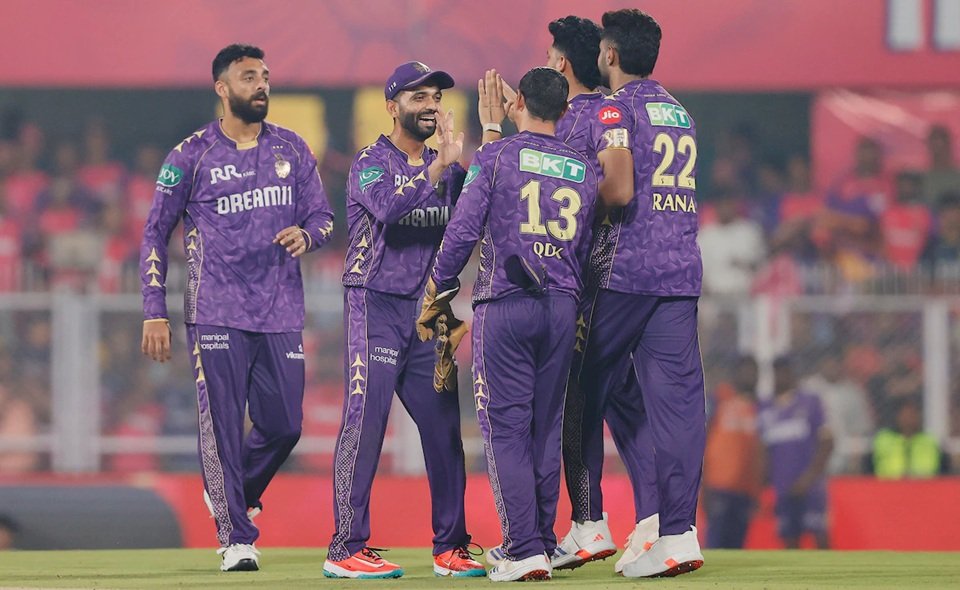

Mustafizur Rahman probably didn’t think his January would end like this. One moment he’s prepping for another IPL season with Kolkata Knight Riders, the next he’s flying home while his entire country’s cricket board is deciding whether anyone from Bangladesh should step foot in India at all. The BCB had been watching the protests build. Street demonstrations in Kolkata against Bangladeshi players participating in the IPL. Chants about minority rights, about borders, about things that have nothing to do with yorkers and cover drives. When KKR finally cut Mustafizur loose under BCCI pressure, citing “recent developments,” that’s when the board knew. They couldn’t send players into that environment. For those tracking tournament odds and geopolitical intersections, Value Bets at TipsGG offers perspective on how security concerns increasingly shape cricket markets.
The timeline compresses into something brutal. January 2026. Mustafizur gets his walking papers from KKR. Public backlash had reached fever pitch. Indian fans weren’t separating sport from statecraft, and the BCCI apparently agreed, instructing the franchise to release their Bangladeshi asset. The BCB saw the writing on the wall immediately. If a star pacer couldn’t stay safe enough to finish an IPL contract, what awaited the full squad during a World Cup knockout stage?
So they asked. Formally. Please move our matches out of India. Not just anywhere, specifically away from Kolkata and Mumbai, maybe to Sri Lanka, maybe to Dubai, somewhere neutral where the air doesn’t crackle with political static. The Bangladesh government backed the request, citing “moderate to high” threat assessments. Players had families. Players had instincts about when crowds turn from noisy to dangerous.
The ICC stared back and said no. All but two board members rejected the relocation plea. Their logic was clinical: no credible specific threat had materialized, and granting this request would set precedent. Every future tournament would face venue shopping based on diplomatic mood swings. They gave Bangladesh twenty-four hours to confirm travel. The deadline came. The deadline went. Scotland got the slot instead.
Pakistan’s Solidarity and the Revenue Paradox
Pakistan watched this unfold with a particular kind of fury. Their board announced they wouldn’t play India on February 15th, calling Bangladesh’s ouster fundamentally unfair. Solidarity moves in mysterious ways. The PCB sees an opportunity to challenge what they view as BCCI dominance over ICC decision-making, yet there’s anxiety underneath. Missing those India-Pakistan clashes means bleeding revenue. Those matches fund everything else. The BCB understands this paradox intimately. They want to stand firm against Indian cricket hegemony, but their accountants are already sweating the loss of gate receipts and broadcast shares from the abandoned fixtures.
Former Pakistan batter Basit Ali didn’t mince words. He blamed the BCCI directly for the timing of Mustafizur’s release, suggesting the move was calculated to create exactly the security pretext that materialized. The ICC meanwhile maintains tournament integrity remains paramount. Their statement emphasized standardized risk protocols and the impossibility of relocating Group C matches without cascading schedule chaos.
Scotland now finds itself in cricket’s strangest position. Elevated from qualifiers to Group C, they inherit Bangladesh’s fixtures and their headaches. The associate nation suddenly carries the burden of competitive balance while the tournament loses one of its most passionate traveling fanbases. Indian venues lose the color and noise that Bangladesh supporters bring to stands. The Kolkata matches in particular feel hollow now, stripped of the subcontinental rivalry that makes cricket in that city breathe.
Who Lost What
Looking at the stakeholder positions reveals fractures everywhere. The BCB prioritized human safety over competition points. The ICC prioritized precedent over flexibility. Pakistan prioritizes regional solidarity while calculating financial loss. The BCCI prioritized domestic political sentiment over sporting continuity. Everyone lost something. Bangladesh lost their World Cup. India lost a showcase for its diplomatic soft power. Cricket itself lost the pretense that it floats above politics.
The crowds will still come. India will still host. But there’s a sourness to this tournament now, a sense that the boundary rope got pulled tighter around who gets to play and where. Mustafizur Rahman sits at home while Scotland prepares for fixtures they never expected. The ball will still get bowled. Whether it means the same thing anymore, that’s the question hanging over every pitch in Mumbai and Kolkata this February.