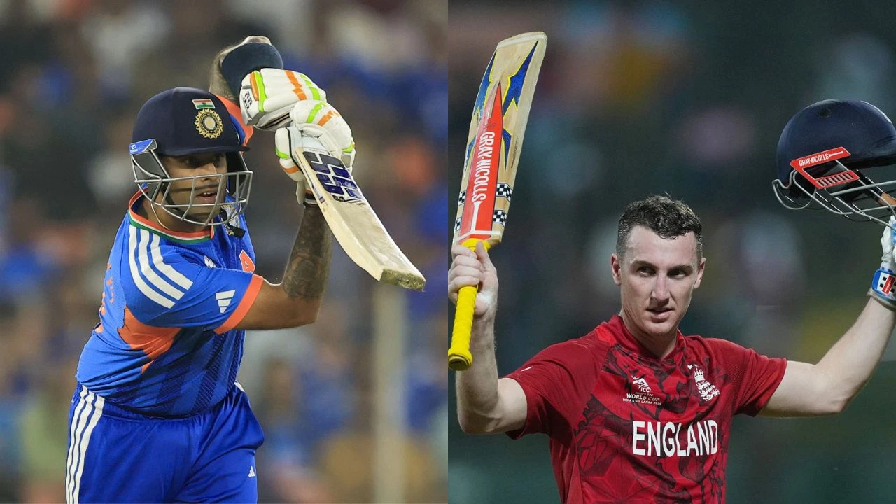

Predicting a cricket match has moved away from trusting gut feelings. Nowadays, every ball is backed by information. Fans who follow high-stakes tournaments like the IPL 2026 or the ICC Men’s T20 World Cup aren’t just watching the matches anymore and take things as they are.
To many, it means understanding stats and numbers is just as important as watching the game itself. This is why prediction platforms are starting to get more visits, and even official websites, like the International Cricket Council’s and the IPL’s, make sure fans have access to the stats they need.
Pre-Match Essentials: The Foundation of a Prediction
The 22-yard pitch is the most important piece of data before a match begins. For beginners, the quality of the surface dictates how the ball will behave.
A dusty pitch usually helps spin bowlers because the ball grips the surface and turns more. On the other hand, a green pitch has more grass, which helps fast bowlers move the ball in the air.
The weather should also be looked into. Evening humidity in cities like Chennai or Mumbai creates a dew factor, which can make the ball slippery and very difficult for bowlers to grip. Usually, the team batting second has the advantage in these conditions.
Historical trends also matter. Some teams historically struggle at specific venues, and looking at Head-to-Head stats helps identify these patterns early on.
The Toss: The First Big Data Point
Winning the toss isn’t just a matter of luck anymore, and it’s now seen as something data-driven. Captains now also decide to bat or bowl based on the pitch and overhead conditions, and this choice often sets the tone for the entire match.
Toss Bias is a real stat that fans track closely. For example, at Eden Gardens, teams almost always choose to bowl first because the chasing team has a clear advantage under the lights. So, a captain who ignores this data often puts his team at a disadvantage before the first ball is even bowled.
In-Depth Player Analytics: The Matchup Game
Fans are also now smarter in a way that many now would rather look into player form instead of popularity. After all, it’s possible that a star player can be at the top of the rankings but still struggle against a specific type of bowling.
To find the most detailed data on these specific player matchups, many fans visit TheTopBookies.com to see expert breakdowns of team strengths.
Analyzing performance across different phases of the game is also vital. A bowler might have a high economy rate overall but be elite during the Death Overs, which are the final four overs of an innings. This specific stat is a huge indicator for close match results, as knowing who can handle the pressure in the final minutes is better than looking at overall season averages.
In-Play Data: Predicting the Final Over
Now, know that the ball-by-ball data can change once the match starts. Some, it’s good to track Live Run Rates against the Required Run Rates.
Also, the 2026 IPL Impact Player rule has added a new wildcard to this data. Teams can now sub in a specialist bowler or batter mid-match. This change can completely flip the predicted outcome of a game in seconds.
Pressure metrics are also a great tool for followers. A high dot ball percentage in the middle overs often predicts that a wicket is coming soon. When a batter cannot score for several balls, they usually take a big risk to break the pressure.
Understanding Home and Away Trends
Venue data has always been relevant, but fans can now find more specific info on this. Some stadiums in India have shorter boundaries on one side. Captains use this info to station their best fielders or instruct bowlers to aim for a specific line.
Another factor under this to look into is the travel schedules. In a packed season, teams that travel long distances between matches often show signs of fatigue in their bowling speeds or running between wickets. That said, keep an eye on the calendar to see which teams might be physically drained.
Conclusion: Becoming a Smarter Fan
Consistency is the result of following the right numbers. While there is always room for a miracle catch or a lucky boundary, the data usually points toward the most likely winner. Those who take the time to study the pitch, the toss, and the player matchups have a much better grasp of the sport.
So yes, every ball matters in a T20 match, and every stat tells a story. Use these tools to dig deeper into the matches this year.